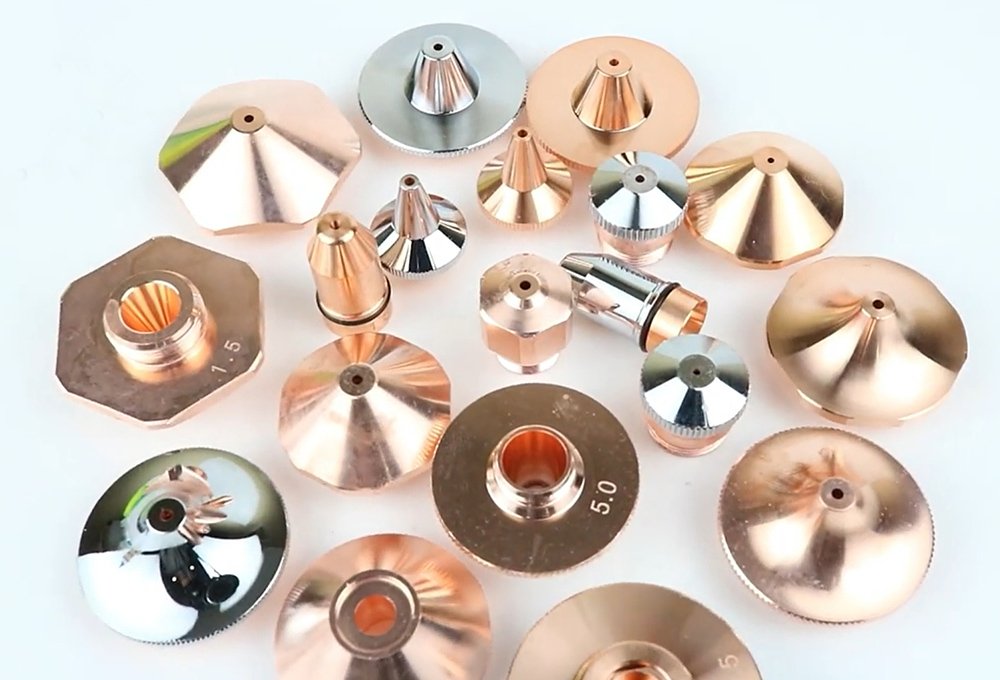
If you manage laser systems for a living—whether as an OEM manufacturer, a machinery builder, or a parts distributor—you’ve faced this decision: OEM-branded components or compatible (aftermarket) alternatives?
The price gap can be dramatic. OEM laser parts often cost 2–4x more than a compatible version. But lower upfront cost doesn’t always mean lower total cost of ownership.
This guide cuts through the marketing. You’ll learn the real trade-offs in OEM vs compatible laser parts.
What Are OEM Laser Components?
OEM (Original Equipment Manufacturer) parts are made by or for the company that built your laser system. They carry the original brand (e.g., Coherent, IPG, Trumpf, Raycus).
Characteristics:
- Identical specifications to the original factory part
- Full warranty (typically 12–24 months)
- Guaranteed fit and performance
- Higher price (premium for traceability and liability)
Best for: Mission-critical systems where unplanned downtime costs >$1,000/hour.
What Are Compatible Laser Components?
Compatible (aftermarket) parts are made by third-party manufacturers to replace OEM parts. They match key parameters (wavelength, power rating, dimensions) but may use different materials or processes.
Characteristics:
- 30–60% lower price than OEM
- Variable quality across suppliers
- May require minor adjustments (e.g., different driver tuning)
- Often shorter warranty (3–12 months)
Best for: Older systems, budget-conscious refurbishment, or non-critical auxiliary components (e.g., cooling sensors, indicator lights).
When to Choose OEM Laser Parts (And When Not To)
✅ Choose OEM when:
- The laser runs 24/7 in a revenue-critical production line.
- Your customer contract specifies OEM parts only (common in aerospace, medical, and automotive laser systems).
- No proven compatible alternative exists (e.g., proprietary communication protocols between a power supply and laser head).
❌ Skip OEM when:
- The laser is end-of-life and OEM parts are discontinued (compatible may be your only option).
- You are a high-volume distributor who can pre-qualify compatible suppliers with batch testing.
- The component is non-critical – e.g., a cooling fan or indicator LCD.
When to Choose Compatible Laser Parts (And How to Do It Safely)
Compatible parts are not inherently bad. The risk lies in the supplier—not the concept.
✅ Choose compatible when:
- You have in-house engineering to validate samples.
- The OEM lead time is >8 weeks and you need the system running in 2 weeks.
- You are refurbishing machines for secondary markets where price drives the sale.
How to minimize risk with compatible parts:
- Demand test reports – power curves, spectral data, and thermal images.
- Run a 500+ hour burn-in on one sample before buying in bulk.
- Ask for references from other B2B buyers (e.g., laser service companies).
- Start with 10–20 pcs before committing to 500.
Final Verdict: It’s Not One-Size-Fits-All
The OEM vs compatible laser parts debate often gets framed as “quality vs cheap.” That’s oversimplified.
Smart B2B buyers segment their procurement:
- Tier 1 (critical optics, diodes, RF tubes): OEM or premium compatible with full engineering validation.
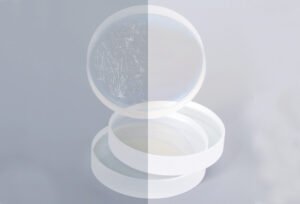
- Tier 2 (mechanical mounts, protective windows, simple sensors): Compatible from a verified laser parts supplier.
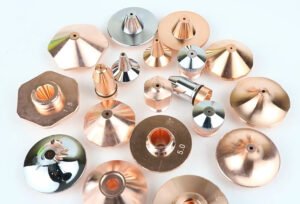
- Tier 3 (consumables: nozzle tips, protective films): Compatible exclusively—no reason to pay OEM markup.
Run your own laser components cost comparison using total cost of ownership (TCO), not just unit price. Include downtime, engineering hours, and warranty return costs.