The global laser industry is experiencing unprecedented growth. From precision medical devices to heavy industrial cutting systems, lasers have become the backbone of modern manufacturing. Behind every reliable laser system, however, lies a complex supply chain of precision components—and increasingly, that supply chain leads to China.
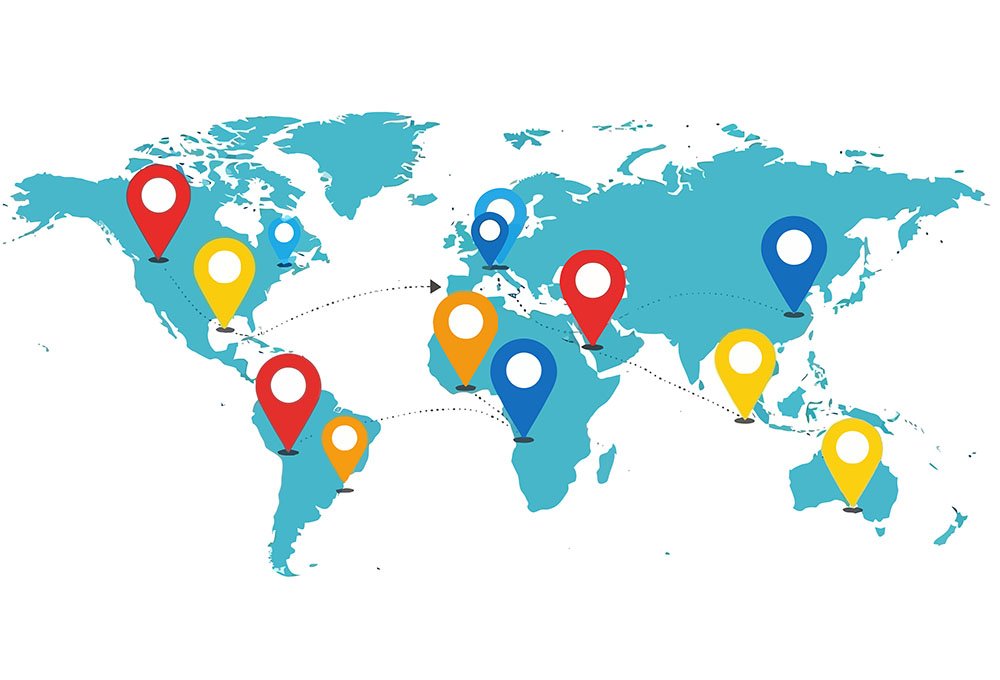
For laser manufacturers, machinery builders, and component distributors—navigating the global landscape of laser parts sourcing requires more than just a price comparison. It demands a partner who understands quality, logistics, and the unique challenges of cross-border procurement. This is the story of how a China laser parts supplier transformed into a trusted global laser components distributor, serving clients across 100 countries.
The Shifting Landscape of Laser Component Sourcing
For decades, the laser components market was dominated by European and North American manufacturers. German precision and American innovation set the standard. However, the past fifteen years have witnessed a dramatic shift.
China has emerged not just as a manufacturing hub, but as a center of photonics innovation. Regions like Guangdong Province—home to over 70% of China’s laser equipment manufacturers—have built mature industrial ecosystems that combine technical expertise with cost-efficient production . Cities like Shenzhen, Wuhan, and Suzhou now rival traditional photonics capitals, offering everything from fiber lasers to precision optical components.
What drives this transformation? It’s not merely about cost advantage. Today’s leading Chinese laser parts suppliers have invested heavily in research and development, quality management systems (ISO 9001:2015), and international certifications including CE, FCC, FDA, and RoHS . They’ve moved from being “low-cost alternatives” to becoming legitimate global competitors.
The Sourcing Challenge: What B2B Buyers Really Need
If you’re a procurement manager for a laser equipment manufacturer, you know the pain points all too well:
- Quality consistency: One batch of optics that fails to meet specifications can derail production schedules.
- Supply chain reliability: Delays in component delivery ripple through entire manufacturing operations.
- Technical communication: Translating complex specifications across languages and time zones.
The most successful global laser components distributor partnerships address these challenges through a combination of technical competence, logistical infrastructure, and responsive service.
According to industry analysis, B2B buyers evaluating suppliers prioritize several critical metrics: on-time delivery rates exceeding 95%, response times under four hours, and reorder rates above 25% as indicators of customer satisfaction . These aren’t vanity metrics—they’re the operational benchmarks that separate reliable partners from problematic ones.
From Local Supplier to Global Distributor: The Evolution
The journey from a domestic Chinese parts manufacturer to a distributor serving 100 countries doesn’t happen overnight. It follows a distinct pattern of capability building.
✅ Phase 1: Manufacturing Excellence
The foundation is always product quality. Successful suppliers start by mastering the basics: precision CNC machining of aluminum alloys, stainless steel, copper, and titanium; custom non-standard component fabrication; and high-end surface treatments like gold plating, nickel plating, and anodizing . They build factories with integrated machining and finishing capabilities—a one-stop shop approach that reduces lead times and ensures quality control.
✅ Phase 2: Certification and Compliance
Exporting to global markets requires navigating a complex web of regulatory requirements. Leading suppliers secure ISO 9001 for quality management, CE marking for European markets, FDA registration for medical applications, and environmental certifications like RoHS and REACH . These aren’t bureaucratic hurdles—they’re trust signals for international buyers.
✅ Phase 3: Distribution Infrastructure
A true global laser components distributor builds more than just factories. They establish overseas warehouses, regional offices, and distribution partnerships. This physical presence enables faster response times and localized support.
✅ Phase 4: Technical Expertise and Customization
Perhaps the most critical differentiator is technical capability. The most successful suppliers don’t just manufacture components—they collaborate on R&D. They offer OEM and ODM cooperation, including drawing customization, sample production, and long-term stable bulk supply . Their technical teams work alongside clients to solve engineering challenges, not just fulfill orders.
What Makes a Great Global Laser Components Distributor?
Drawing from industry benchmarks, here are the key attributes B2B buyers should evaluate when selecting a global partner:
✅ 1. Technical Depth
Look for suppliers with in-house technical expertise. Can they help you specify the right optical coatings for your application? Can they recommend alternative materials or designs that improve performance or reduce cost? The best distributors serve as engineering partners, not just order-takers.
✅ 2. Quality Assurance
Insist on transparency in testing and quality control. Reputable suppliers share detailed test reports on beam accuracy, power stability, thermal resistance, and component lifespan . They work with third-party testing organizations like SGS or TÜV to validate their processes.
✅ 3. Supply Chain Resilience
The COVID-19 pandemic exposed vulnerabilities in global supply chains. The best distributors responded by diversifying production capabilities, maintaining safety stock, and building redundant logistics channels. Ask potential partners about their contingency planning and their ability to maintain production during disruptions.
✅ 4. Communication and Responsiveness
In cross-border procurement, communication breakdowns can be costly. Leading suppliers offer multilingual support, clear documentation, and proactive updates throughout the procurement cycle . They use digital tools to provide real-time order tracking and production status updates.
Practical Sourcing Strategies for B2B Buyers
✅ Conduct Thorough Due Diligence
Before selecting a supplier, evaluate their credentials systematically:
- Request certifications: Verify ISO, CE, FDA, and other relevant certifications.
- Visit the factory: If possible, conduct on-site audits to assess production capabilities and quality control processes.
- Test samples: Don’t commit to bulk orders without verifying sample quality against your specifications.
- Check references: Speak with other international clients about their experience with the supplier.
✅ Think Beyond Price
While cost is always a factor, the lowest price rarely equals the best value. Consider total cost of ownership: shipping costs, quality inspection costs, replacement costs for defective components, and the hidden costs of production delays. A 5% higher component price is cheap compared to a week of production downtime.
✅ Build Long-Term Relationships
The most successful procurement partnerships are built on trust and mutual investment. Share your long-term production forecasts so suppliers can plan capacity. Invest in joint quality improvement initiatives. The best distributors will reciprocate with preferential pricing, priority production scheduling, and dedicated technical support.
The Future of Global Laser Parts Sourcing
The trend toward globalization in the laser industry shows no signs of slowing. As emerging markets invest in manufacturing capacity, demand for laser systems—and the components that power them—will continue to grow. Chinese suppliers, armed with technical expertise and global distribution capabilities, are well-positioned to meet this demand.
However, the nature of the partnership is evolving. It’s no longer about transactional purchasing—it’s about building strategic relationships with global laser components distributors who can provide technical support, supply chain visibility, and manufacturing innovation.
For buyers, the message is clear: invest time in finding the right partner. The difference between a good supplier and a great distributor can transform your supply chain from a source of risk into a source of competitive advantage.